ICOM IC-A25N Handheld NAV/COM Transceiver w/ Bluetooth – Open Box: Reliable NAV/COM Performance
ICOM IC-A25N Handheld NAV/COM Transceiver w/ Bluetooth – Open Box: Reliable NAV/COM Performance
Blog Article
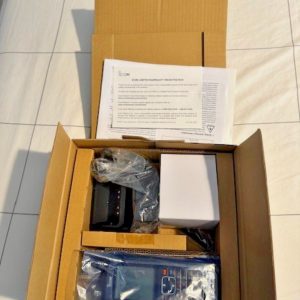
:::writingvariant="document" id="58314" ICOM IC-A25N Handheld NAV/COM Transceiver w/ Bluetooth – Open Box: Versatile Cockpit and Ground Communication The ICOM IC-A25N Handheld NAV/COM Transceiver w/ Bluetooth – Open Box combines user-friendly controls, portable convenience, aviation communication capability, navigation functions, and Bluetooth connectivity. A carefully inspected open-box package can offer get more info the operational benefits of a premium handheld aviation radio while helping owners control equipment costs. A dependable ICOM IC-A25N Handheld NAV can become an important part of a pilot’s flight bag by providing portable communication capability whenever installed aircraft equipment is unavailable. An ICOM IC-A25N Aviation Radio can support communication between pilots, air traffic services, flight instructors, ground personnel, and other aviation users where authorized. The ICOM IC-A25N Handheld Radio can serve private owners, instructors, students, aircraft dealers, mechanics, and airport staff who need communication away from a fixed cockpit installation. As a Handheld NAV/COM Aviation Transceiver, the unit combines portable communication with navigation-related functions in one organized device. Whether the intended use involves a Handheld Aviation Radio, Aviation NAV/COM Radio, Pilot Handheld Radio, or Aircraft Communication Radio, dependable battery and antenna performance remain important. As an Aviation Communication Device, the radio can provide portable support for cockpit, training, emergency, and ground environments.
Key Benefits of the ICOM IC-A25N Transceiver
The radio’s portable construction allows it to support aircraft operations before departure, during flight, after landing, or while personnel are working around the airport. The device may help pilots reduce equipment clutter by integrating several useful capabilities into one flight-bag-friendly radio. Real-world results depend on setup, antenna use, radio configuration, location, surrounding structures, and the condition of the complete package. Familiarity transforms a portable radio from stored equipment into a practical and dependable operational resource.ICOM IC-A25N Handheld NAV Features
The navigation-oriented functions can complement normal cockpit planning when used within their intended purpose and understood limitations. Ground personnel can use an appropriate handheld radio for monitoring or coordination where local procedures and regulations allow. Users should understand which functions are intended for reference, communication, navigation support, training, or emergency use. Organized cockpit placement improves access while protecting the radio from impact, movement, moisture, and accidental activation.Choosing an ICOM IC-A25N Aviation Radio
A portable aviation radio provides flexibility to owners, instructors, technicians, and operators who require communication across multiple aviation settings. Flight instructors can use the device as supplemental equipment during ground lessons, aircraft walkarounds, and selected training exercises. A complete written inventory helps purchasers compare the open-box price with the cost of replacing missing accessories separately. Remote buyers may request a video showing startup, menu operation, button response, audio output, charging status, and physical condition.ICOM IC-A25N Handheld Radio Convenience
The ICOM IC-A25N Handheld Radio offers portable access to aviation communication functions without requiring permanent aircraft installation, wiring, panel space, or structural modification. A secure carrying arrangement can keep the radio accessible without allowing it to move around the cockpit during turbulence or abrupt maneuvering. Users can review the interface in a quiet environment rather than learning controls during engine operation or busy airport activity. Aircraft cabins and parked vehicles can reach temperatures that may affect batteries, displays, housings, and electronic components.Handheld NAV/COM Aviation Transceiver Benefits
A Handheld NAV/COM Aviation Transceiver combines portable communication and navigation-related capability within one device, making it useful for pilots who value multifunction equipment. Commercial value depends on condition, package completeness, included equipment, seller support, and the cost of any missing accessories. Users should keep the operating guide accessible until they can manage essential functions without hesitation. Regular care supports reliable operation, protects resale value, and reduces the risk of missing components.Handheld Aviation Radio Applications
A handheld aviation device can support monitoring and communication activities from the cockpit, ramp, hangar, or operations office. A handheld unit is most valuable when charged, accessible, tested, and familiar to the pilot before it is required. Radio performance can be affected by aircraft structure, cockpit location, antenna orientation, terrain, buildings, interference, weather, and distance. Pilots must use aviation frequencies responsibly and comply with applicable licensing, authorization, frequency, and communication requirements.Choosing an Aviation NAV/COM Radio
A NAV/COM radio may support pilots who need backup communication while also valuing navigation-oriented information and operating flexibility. Important features should be practiced on the ground before the radio is used during high-workload phases of flight. Pilots should maintain current charts, navigation planning, weather awareness, and suitable avionics for the flight being conducted. Before departure, pilots should confirm that the radio is charged, correctly configured, securely stored, and easy to reach.Pilot Handheld Radio Applications
Flight instructors may value a handheld unit for monitoring, demonstration, backup, and coordination during ground or flight-training activities. A belt clip, protective case, organized side pocket, or approved mounting arrangement may help secure the radio during flight. Training may also include using the radio with gloves, in reduced light, with a headset, or in a noisy cockpit environment. Responsible power management is central to maintaining a dependable Pilot Handheld Radio.Portable Aircraft Communication Radio
Portable aircraft radios are useful when installed equipment is unavailable, an aircraft is unpowered, or personnel need communication away from the cockpit. Professional communication practices improve the effectiveness of both installed and handheld radios. Moving the radio or antenna within the cockpit may influence reception, but it must remain secure and clear of controls. Maintaining physical and electronic condition supports dependable Aircraft Communication Radio performance.Choosing a Portable Aviation Transceiver
A compact transceiver may remain available during electrical shutdowns, maintenance events, panel upgrades, or aircraft storage. A protective case can separate the radio from tools, keys, metal objects, liquids, and heavy equipment inside a flight bag. A wired backup arrangement may remain useful when Bluetooth accessories lose charge, disconnect, or experience interference. The radio should remain usable even when a paired device is unavailable or the Bluetooth connection cannot be restored.Maintaining an Aviation Communication Device
Pilots should select communication equipment according to mission requirements, aircraft type, operating area, training needs, and backup planning. Buyers should avoid assuming that open-box always means unused or that every accessory remains included. Organized equipment management helps ensure that the radio remains available and serviceable for the next user. Regular updates to operating procedures may be required when accessories, paired devices, aircraft assignments, or personnel change.Choosing a Handheld Aircraft Radio
The device may also support pilots at airports where communication must begin before the aircraft electrical system is activated. The radio provides practical value wherever access to aviation communication is useful away from a powered instrument panel. The pilot should route headset cables or charging leads carefully and avoid creating loops that can snag controls or occupants. Charging ports and connectors should remain dry and free from debris before accessories are attached.Aviation Navigation Radio Benefits
The aviation-focused interface is intended to support pilots who need quick access to practical features in a compact format. A demonstration or careful manual review can help users understand displays, menus, stored information, and navigation-related controls. Pilots remain responsible for route planning, weather evaluation, airspace awareness, fuel management, and safe aircraft control. The manual and quick-reference information should be available until the pilot can use important functions confidently.ICOM Pilot Radio Benefits
The radio may also suit instructors, aircraft technicians, flight departments, and airport operations personnel who require portable communication equipment. Brand reputation should be considered alongside the condition and completeness of the specific unit being purchased. The device should support the pilot’s normal workflow rather than requiring accessories or procedures that are inconvenient or incompatible. Once acquired, the radio should be labeled, documented, configured, charged, tested, and stored in an accessible location.Choosing an Emergency Aviation Radio
The IC-A25N can become part of a broader emergency equipment strategy appropriate to the aircraft, route, environment, and pilot’s needs. The radio should be positioned where it can be reached without searching through baggage during an urgent situation. The pilot should know how to operate the radio directly if a paired headset or wireless accessory fails. Any missing charger, antenna, adapter, cable, or battery concern should be corrected before the radio is relied upon.Backup Aircraft Radio Benefits
Pilots who operate several aircraft can carry the same Backup Aircraft Radio and remain familiar with its controls across different cockpit layouts. The radio should be included in preflight equipment checks appropriate to the planned operation. The pilot should determine whether the radio will be operated through its built-in audio, Bluetooth accessory, or wired headset connection. Backup planning should also consider how the aircraft will be flown, navigated, and managed while the pilot is using the portable radio.Evaluating an Open-Box Aviation Radio
Connectors and charging contacts should appear clean, straight, secure, and free from corrosion or contamination. Buyers should ask whether the radio was displayed, returned, tested, paired, charged, transmitted with, or previously registered. A complete demonstration can provide valuable confidence for buyers who cannot inspect the radio in person. The buyer should inspect the radio promptly after delivery and report any missing items, damage, or functional concerns according to the agreed terms.Routine Care for a Handheld Aviation Radio
A professional handheld transceiver should be managed as aviation equipment rather than treated like an ordinary consumer radio. Occasional-use radios should still receive periodic checks because batteries and electronic components can deteriorate during inactivity.- Check for cracks, loose parts, damaged buttons, display concerns, weak battery performance, antenna damage, charging problems, and missing accessories.
- Keep the operating guide or a simple quick-reference resource accessible until important functions are fully familiar.
- Charge and store the battery according to appropriate guidance while keeping all accessories labeled and together.